

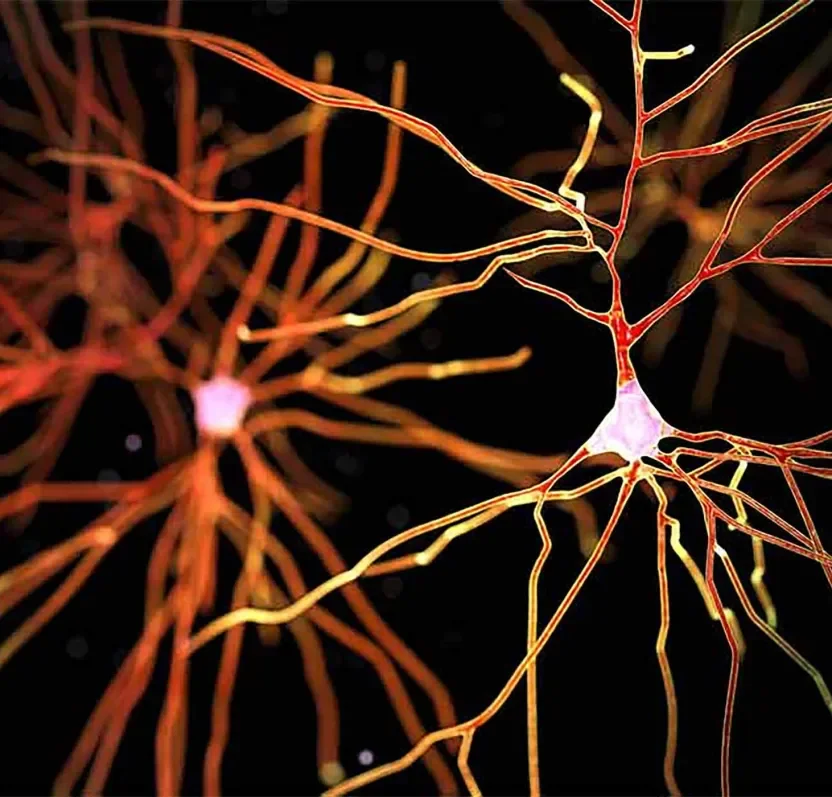
When we think of dopamine, we almost always imagine it as a “brain” neurotransmitter: motivation, pleasure, reward, attention. In reality, a significant portion of dopamine is produced in the gut, and this is where a frequently underestimated protagonist comes into play: the gut microbiota.
A recent review published in the International Journal of Molecular Sciences (2025) explores in detail the interactions between dopamine and the microbiota–gut–brain axis, offering a fascinating and clinically relevant perspective.
Dopamine is not just “the chemistry of pleasure”
From a biological point of view, dopamine is much more than a pleasure mediator. It is involved in:
- regulation of motivation and initiative,
- modulation of attention and executive functions,
- mechanisms of learning and reward,
- control of eating behavior,
- regulation of gut motility and immune responses.
Over 50% of the body’s dopamine is produced at the peripheral level, especially in the gastrointestinal tract. This fact alone is enough to challenge an exclusively “brain-centered” view of dopamine.
The microbiota as a dopaminergic regulator
One of the most interesting points emerging from the review concerns the active role of the gut microbiota in dopaminergic metabolism.
Some intestinal microorganisms are able to:
- produce dopamine,
- metabolize L-DOPA,
- transform dopaminergic precursors into biologically active metabolites.
This means that the composition of the microbiota can indirectly modulate the availability of dopamine, influencing neurochemical signals, behavior, and response to pharmacological treatments. A well-known clinical example is Parkinson’s, where microbial metabolism of L-DOPA helps explain why patients with the same drug dosage show very different responses.
Microbiota–gut–brain axis: how dopamine communicates
It is important to clarify a point that is often misunderstood:
→ intestinal dopamine does not directly cross the blood–brain barrier.
However, it exerts effects on the brain through indirect but powerful pathways:
- vagus nerve,
- endocrine signals,
- immune mediators,
- microbial metabolites (SCFA, biogenic amines, etc.).
In other words, the gut acts as a neurochemical hub, capable of modulating brain activity without the need for the molecule to directly enter the CNS.
Dopamine, eating behavior, and neurodivergence
The implications of this model are particularly relevant in conditions characterized by dopaminergic dysregulation, such as:
- ADHD,
- mood disorders,
- binge eating and comfort eating,
- alterations of the reward circuit,
- neurodivergence in general,
- In these contexts, intestinal dysbiosis can amplify:
- craving,
- seeking high-reward stimuli (sugars, fats, ultra-processed foods),
- self-regulation difficulties.
This also opens interesting scenarios for a non-blaming interpretation of eating behavior: not just “lack of willpower,” but neurobiology + microbiota.
Therapeutic perspectives: beyond the symptom
The review does not propose simplistic solutions, but points to some promising directions:
- modulation of the microbiota through personalized nutrition,
- targeted use of prebiotics and probiotics,
- study of microbial enzymes involved in dopaminergic metabolism,
- integration between nutritional, neurological, and psycho-behavioral approaches.
It is a paradigm shift: it is not about “increasing dopamine,” but about restoring a functional neuro-metabolic ecosystem.
Conclusion
This review reinforces a key concept of functional medicine and PNEI: the brain never works alone.
Dopamine is the result of a complex network involving the gut, microbiota, immune system, and environment. Understanding these interactions means paving the way for interventions that are more respectful of physiology, neurodiversity, and biological individuality.
Reference
Dopamine and the Gut Microbiota: Interactions Within the Microbiota–Gut–Brain Axis and Therapeutic Perspectives.
International Journal of Molecular Sciences, 2025.
DOI: 10.3390/ijms27010271