

In recent years, scientific research has discovered that the gut and kidneys no longer work as isolated systems: there is a true gut–kidney axis, through which metabolites produced by the microbiota can influence kidney function and systemic inflammation.
In this article, we explore how certain nutrients and bioactive compounds — from fiber and omega-3s to functional peptides — can modulate this axis and potentially contribute to the prevention or management of chronic kidney disease (CKD).
1. What is the gut–kidney axis?
The gut–kidney axis refers to the bidirectional interaction between the gut microbiota and kidney function. In conditions of gut dysbiosis and increased intestinal barrier permeability, pro-inflammatory metabolites can enter the circulation and reach the kidneys, promoting damage and inflammation.
On the other hand, a balanced microbiota produces beneficial metabolites such as butyrate, which can support the integrity of the intestinal barrier and modulate systemic inflammation.
2. Key nutrients that modulate the axis
Prebiotic fibers
Non-digestible fibers promote bacterial fermentation and the production of short-chain fatty acids (SCFA) such as butyrate, which support intestinal integrity and reduce inflammation.
Bioactive peptides
Produced by the digestion of proteins or the fermentation of specific foods, some bioactive peptides can have antioxidant and anti-inflammatory effects, improving communication between the gut and organ systems such as the kidneys.
Omega-3
Omega-3 fatty acids (EPA and DHA) are known for their anti-inflammatory properties and can promote a more balanced and less pro-inflammatory microbiota.
3. Molecular mechanisms
Microbial metabolites can influence:
- the expression of pro-inflammatory cytokines,
- the permeability of the intestinal barrier,
- systemic immune activity.
These effects have direct relevance in chronic kidney disease conditions, where systemic inflammation plays a key role in disease progression.
4. Practical implications for clinical nutrition
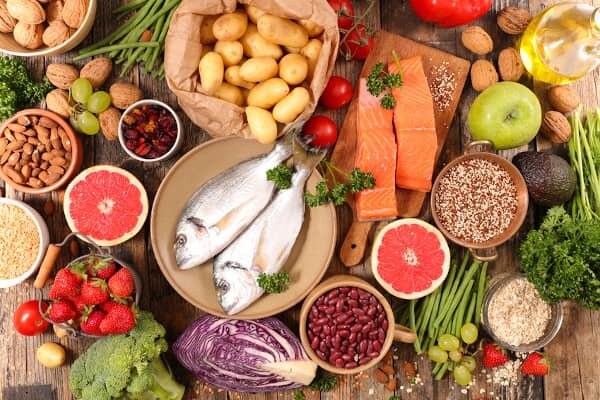
- Fiber-rich diet (vegetables, legumes, whole grains) to increase beneficial SCFAs,
- Omega-3 from fatty fish or supplements for anti-inflammatory effects,
- Fermented foods (yogurt, kefir, kimchi) to promote microbial biodiversity,
- Diverse protein sources to stimulate the production of bioactive peptides.
Conclusion
Nutrition is a powerful modulator of the gut–kidney axis. Understanding how specific nutrients and microbial metabolites influence kidney physiology opens new avenues for preventive and therapeutic nutritional strategies, especially in the early stages of chronic kidney disease.
https://doi.org/10.3390/nu18020263