

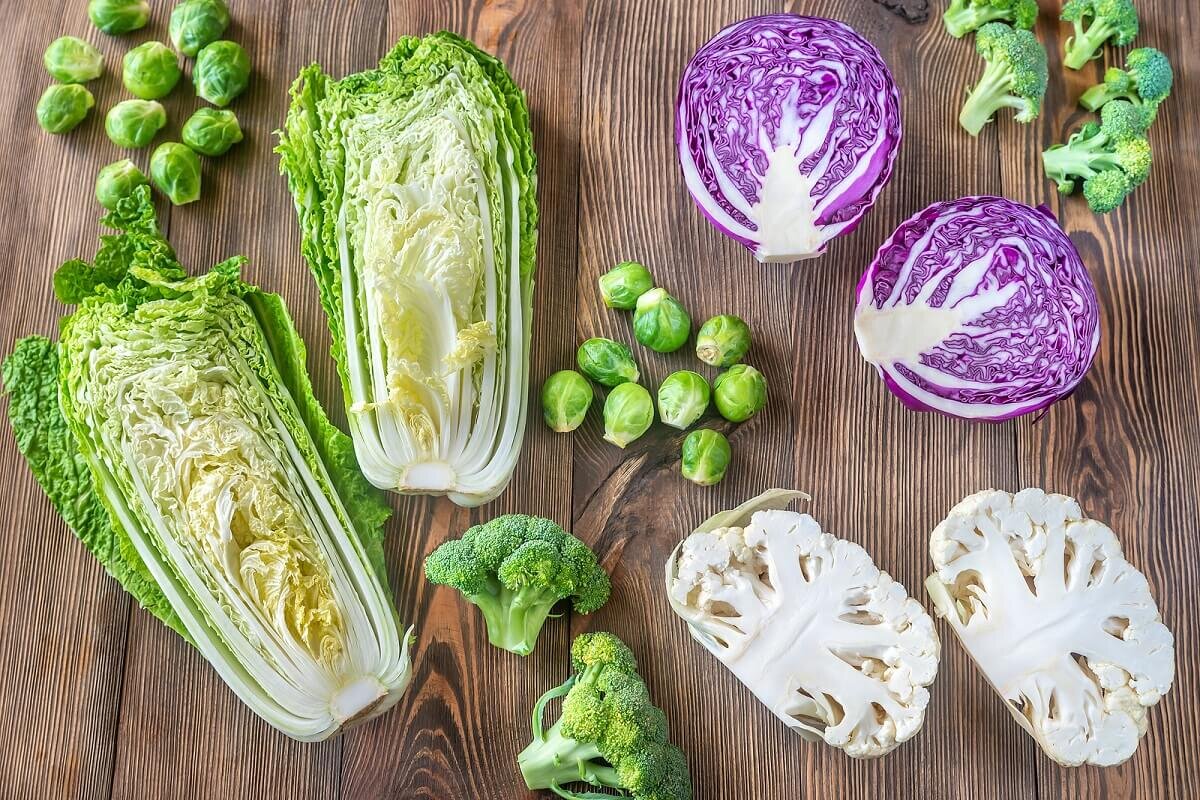
In recent years, interest in nutraceuticals as support in regulating autism symptoms has grown significantly. Among the most studied molecules is sulforaphane, a bioactive compound naturally present in broccoli sprouts, known for its antioxidant and anti-inflammatory properties.
But what does the most recent scientific literature really say? And above all: can it play a role in managing behavioral dysregulation, irritability, or crises (meltdowns)? One of the most cited studies is the randomized clinical trial published in 2021 in Molecular Autism by Zimmerman and colleagues.
What is sulforaphane and why is it of interest in neurodivergence
Sulforaphane (SFN) is an isothiocyanate derived from glucoraphanin, abundant in broccoli sprouts.
It is known for its ability to:
activate the Nrf2 pathway, the main regulator of cellular antioxidant defenses,
- reduce oxidative stress,
- modulate inflammatory processes,
- support cellular detoxification mechanisms.
These aspects are particularly relevant because numerous studies show that, in many people on the autism spectrum, there are:
- increased oxidative stress,
- neuroinflammation,
- alterations in the cellular stress response.
The study by Zimmerman et al. (2021): design and objectives
The study published in 2021 is a randomized, double-blind, placebo-controlled trial.
Main characteristics:
Participants: 57 children diagnosed with autism spectrum disorder
Age: 3–12 years
Duration:
15 weeks of treatment (sulforaphane vs placebo)
followed by an open-label phase and a wash-out period
Intervention: supplementation with sulforaphane
The aim was not to “cure” autism, but to assess whether the modulation of specific biological mechanisms could influence certain behavioral domains.
Which outcomes were evaluated?
It is important to clarify this right away:
→ the study does NOT directly measure “meltdowns” or “shutdowns” as clinical endpoints.
The authors used validated scales, commonly employed in clinical trials on autism:
- ABC – Aberrant Behavior Checklist
(in particular the subscales of irritability, hyperactivity, and aberrant behavior) - SRS – Social Responsiveness Scale
These scales do not describe acute crises in an experiential sense, but represent clinical proxies of behavioral and emotional dysregulation.
The results: what emerged
The results show that, in the group treated with sulforaphane:
- some children showed improvements in irritability scores,
- positive signals were observed on hyperactivity and disorganized behaviors,
- the effects are not uniform across all domains and not in all participants.
An interesting finding is that the benefits tend to decrease after discontinuation of the treatment, suggesting an effect dependent on ongoing biochemical modulation, rather than a permanent structural change.
What does all this mean with respect to meltdowns and shutdowns?
- In scientific literature, meltdown and shutdown are not yet standardized concepts as clinical outcomes. However, in clinical practice we know that:
- irritability,
- sensory overload,
- difficulty in emotional regulation,
- often represent the biological and neurophysiological ground on which crises emerge.
→ Reducing oxidative stress and inflammation can raise the tolerance threshold, decreasing the probability or intensity of crises, even if it does not eliminate them.
The possible biological mechanism
Sulforaphane acts mainly through:
- activation of the Nrf2 pathway,
- increased glutathione synthesis,
- reduction of pro-inflammatory cytokines.
These effects can contribute to greater neurochemical stability, with indirect effects on behavioral regulation.
Study limitations (essential to know)
Like any clinical study, this one also has limitations:
- relatively small sample,
- very individual response,
- indirect outcomes with respect to meltdowns/shutdowns,
- need for longer studies and on different populations (adolescents, adults, AuDHD).
For this reason, sulforaphane cannot be considered a universal solution, but a possible tool within an integrated approach.
Conclusions
The study by Zimmerman et al. (2021) represents one of the most solid contributions on sulforaphane in the context of autism.
What can we say with scientific honesty:
- there is a plausible biological basis,
- there are randomized clinical data,
- the benefits are potential, not guaranteed,
- nutraceuticals must be personalized and contextualized.
The regulation of crises does not depend on a single molecule, but on an integrated effort on nutrition, environment, sensory aspects, gut-brain axis, and inflammatory load.
Reference
Zimmerman AW et al., 2021. Randomized controlled trial of sulforaphane in children with autism spectrum disorder. Molecular Autism.