

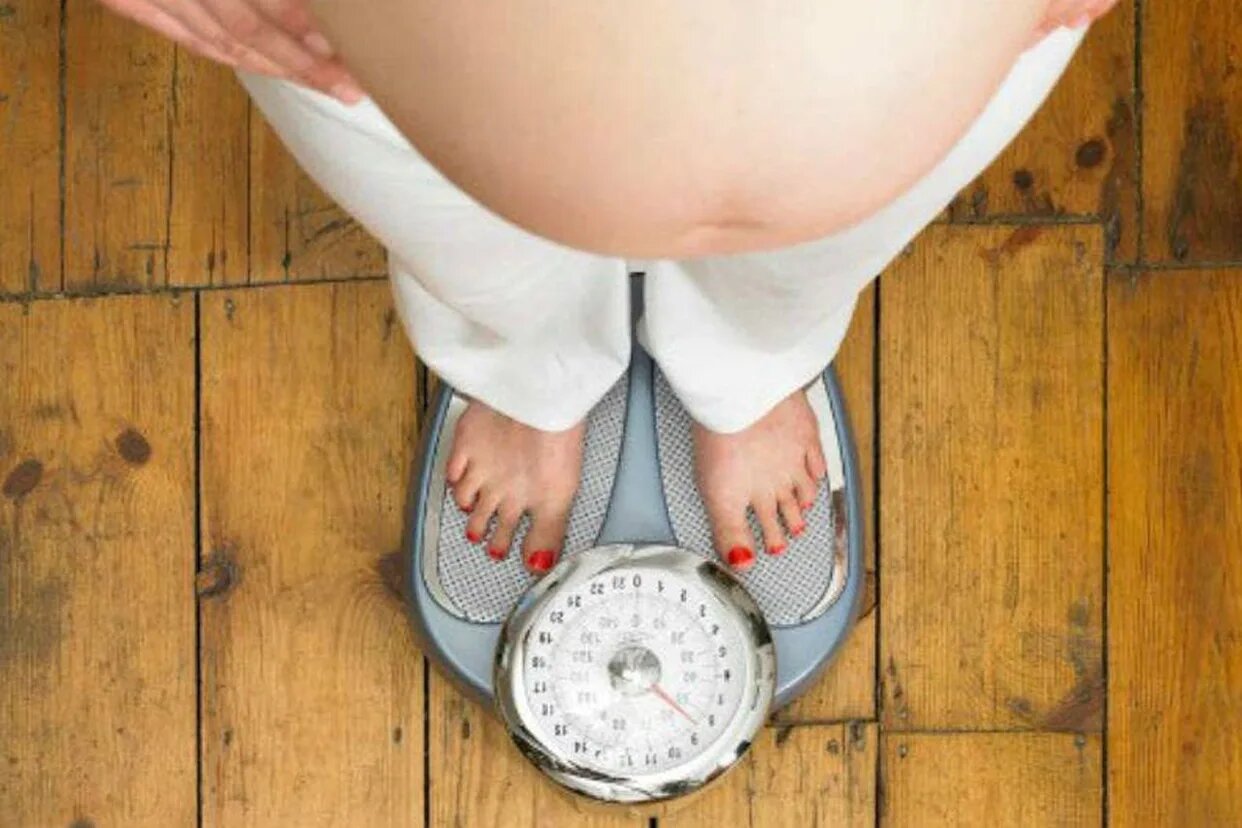
Pregnancy is a unique moment in a woman's life, full of physical, emotional, and psychological changes. However, the experience is not always lived with serenity: in some cases, pregorexia may emerge, an eating disorder that puts the health of the mother and baby at risk.
What is pregorexia:
The term pregorexia combines the words pregnancy and anorexia. It indicates a condition characterized by an obsessive fear of gaining weight during pregnancy, which leads the woman to drastically limit food intake, engage in excessive physical exercise, and sometimes adopt compensatory behaviors such as self-induced vomiting or abuse of laxatives.
This is a still little-known disorder, but one that can have very serious consequences.
Symptoms and warning signs not to underestimate:
The most common warning signs include:
-
strong anxiety related to weight gain;
-
distorted body image;
-
refusal or denial of pregnancy;
-
obsession with food and calories;
-
excessive physical activity despite medical recommendations;
-
symptoms of anxiety and depression.
These behaviors are not simply "watching your figure," but signs of a real disorder.
Causes and risk factors:
Pregorexia can have different and multifactorial origins:
-
personal or family history of eating disorders;
-
unplanned or unwanted pregnancy;
-
social and media pressures on the female body;
-
low self-esteem and difficulty accepting physical changes;
-
traumatic experiences or relationship difficulties.
Each case is unique and complex, which is why careful clinical assessment is important.
Risks for the mother:
For the woman, pregorexia can lead to:
-
malnutrition and nutritional deficiencies;
-
anemia and osteoporosis;
-
cardiovascular and gynecological complications;
-
post-partum depression;
-
increased risk of miscarriage.
Risks for the baby:
The consequences can also affect the unborn child:
-
intrauterine growth retardation;
-
low birth weight;
-
congenital malformations;
-
premature birth;
-
neurological and cognitive problems;
-
in the most severe cases, intrauterine death.
How to deal with pregorexia:
Early diagnosis is essential. If symptoms are present, it is important to immediately consult a gynecologist, a trusted doctor, or a specialist in eating disorders.
Treatment involves a multidisciplinary approach:
-
individual psychological support and, if necessary, family support;
-
personalized nutritional counseling;
-
constant medical monitoring;
-
in the most severe cases, hospitalization in specialized centers.
An important message
Pregorexia is not a whim, but a serious disorder that requires care and attention. Asking for help is the first step to protecting yourself and your baby. With the right support, it is possible to experience pregnancy as a time of growth and love, not as a struggle against your own body.