

Anorexia nervosa (AN) is a serious and often chronic eating disorder (Herpertz et al., 2018; Watson et al., 2019), characterized by food restriction, low body weight, intense fear of gaining weight, and body image distortion. Despite the increase in hospitalizations in recent years (D et al., 2023; Skowron et al., 2020), the pathophysiology of AN remains complex and not fully understood.
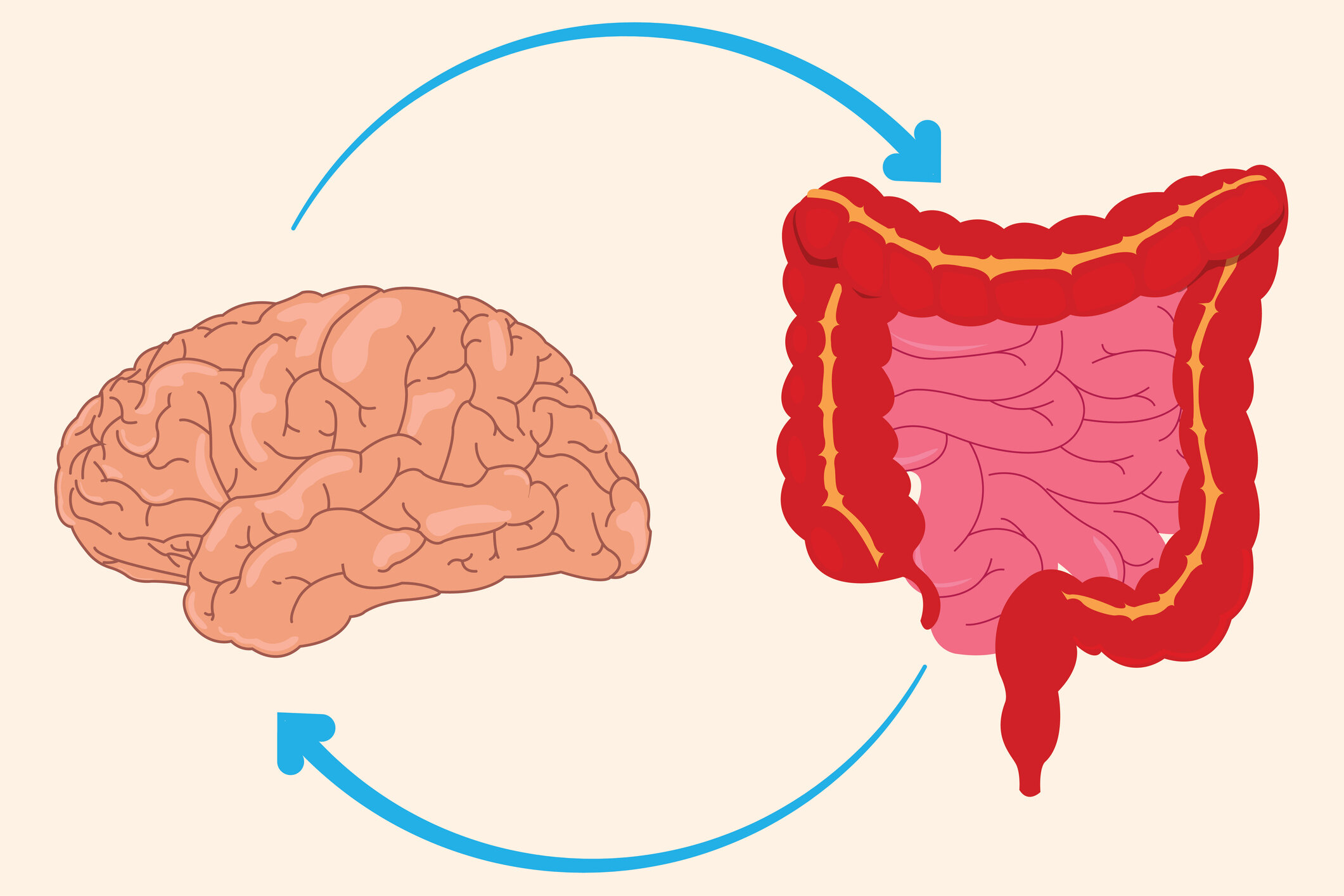
In recent years, the microbiota–gut–brain axis (GBA) has emerged as a key element in understanding metabolic and psychiatric disorders, including AN (Woo & Alenghat, 2022; Andreani et al., 2024; Nohesara et al., 2023). At the same time, research on epigenetic mechanisms—modifications of gene expression independent of DNA sequence (Steiger et al., 2023)—has demonstrated alterations in genes involved in the regulation of appetite, weight, and mood (Remely & Haslberger, 2017; Cuevas-Sierra et al., 2019).
Although microbiota and epigenetics have been studied separately in AN (Seitz et al., 2020; Käver et al., 2024), their potential interactive role remains almost unexplored: a systematic search (October 2024) identified few articles mentioning both aspects, but none analyzing their interactions in AN.
However, microbial-epigenetic models have already been described in related conditions, such as obesity and depression, which share with AN alterations in microbial diversity, dysregulation of energy metabolism, and emotional disturbances (Käver et al., 2024; Park et al., 2019). Given that AN has the highest mortality rate among psychiatric disorders and relapse rates above 50% (Hoang et al., 2014; Khalsa et al., 2017), understanding such interactions is essential for developing more targeted therapeutic approaches.
Microbiota and epigenetics in AN
The human microbiome is a vast source of environmental stimuli that influence host physiology and phenotype (Woo & Alenghat, 2022). In AN, numerous studies show dysbiosis characterized by:
→ reduction of SCFA producers (e.g. Faecalibacterium, Roseburia);
→ increase of mucin degraders (e.g. Methanobrevibacter smithii, Akkermansia) (Seitz et al., 2020; García & Gutierrez, 2023; Zhao et al., 2024).
This microbial configuration promotes intestinal permeability, inflammation, and reduced SCFA production, with partial restoration after weight recovery (Andreani et al., 2024; Schulz et al., 2021).
At the same time, in patients with AN, epigenetic alterations have been identified, including modifications in DNA methylation and leptin pathways, implicated in the regulation of appetite and energy balance (Steiger et al., 2019; Käver et al., 2024). Many of these modifications are reversible after nutritional rehabilitation, suggesting that malnutrition and dysbiosis may act as driving factors.
SCFAs, reduced in AN, play a fundamental epigenetic role: they modulate the activity of epigenetic enzymes, influence chromatin structure, and promote the secretion of satiety hormones (Li et al., 2018; Psichas et al., 2015).
Microbial–epigenetic interactions: evidence from obesity and depression
Three main mechanisms connect microbiota and epigenetics (Woo & Alenghat, 2022):
→ Availability of methyl donors, derived from microbial metabolites (e.g. folates, vitamin B12, betaine).
→ Modulation of epigenetic enzymes (DNMT, HDAC, HAT).
→ Alterations of host cellular pathways that influence epigenetic patterns.
In obesity, microbial changes influence the methylation of metabolic genes, such as FFAR3, while in depression, alterations of the microbiota modulate genes involved in serotonin synthesis and stress responses (Kulikova & Kulikov, 2019; Nohesara et al., 2023). These data offer an interpretative model also applicable to AN.
Influence of the microbiota on DNA methylation
The microbiota contributes to the availability of methyl donors through key metabolites (Crider et al., 2012). Alterations in the SCFA profile and diet influence:
- energy pathways,
- regulation of appetite,
- neuroendocrine pathways.
In AN, the reduced availability of nutrients and SCFAs can theoretically reduce methylation of key loci, contributing to dysregulation of appetite and mood.
Influence of the microbiota on histone modifications
SCFAs, particularly butyrate, act as potent HDAC inhibitors, modulating:
- DNA accessibility,
- gene transcription,
- adipocyte differentiation.
Animal models confirm that microbial deprivation alters epigenetic patterns and that SCFA supplementation can restore them (Krautkramer et al., 2016).
In AN, the reduction of glucose and SCFAs may contribute to dysregulation of energy metabolism and reward circuits.
Influence of the microbiota on microRNA and lncRNA
Non-coding RNAs (miRNA, lncRNA) regulate protein synthesis and epigenetic activity. Their expression is modulated:
by nutrition, microbial metabolites, and intestinal dysbiosis.
In obesity and depression, specific miRNAs are associated with key microbial taxa (Tarallo et al., 2022; Chen et al., 2022). In AN, the only preliminary data indicate hypermethylation of miR-340 as a factor that increases vulnerability to activity-based anorexia in animal models (Schroeder et al., 2018).
Implications and future directions
Despite solid evidence of microbial and epigenetic alterations in AN, their interaction has not yet been studied. However, shared analogies with obesity and depression (reduced SCFAs, inflammation, dysregulation of the HPA axis) suggest a common framework of interconnection.
https://pmc.ncbi.nlm.nih.gov/articles/PMC12370852/