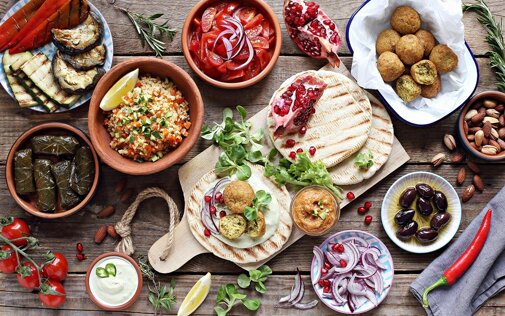
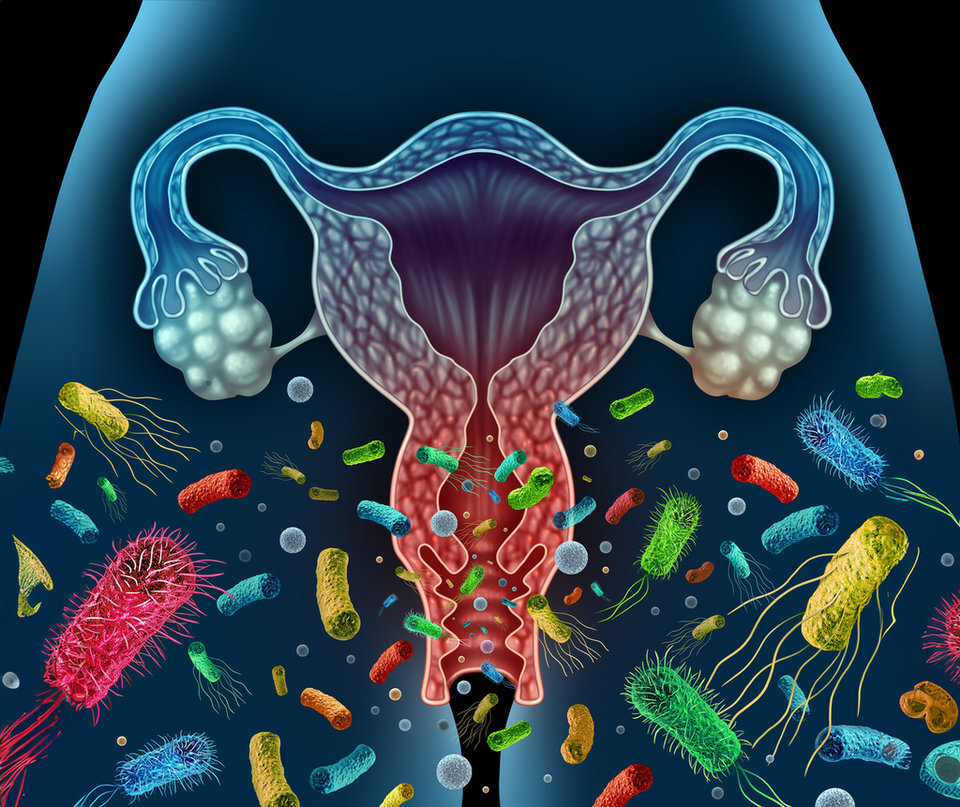
In recent years, much has been said about the role of diet in modulating the gut microbiota, but what do we know about the vaginal microbiota? A new study published in 2025 in Frontiers in Cellular and Infection Microbiology explored the association between dietary habits and the composition of the vaginal flora, offering very interesting insights. The researchers analyzed 113 women of reproductive age, evaluating three key aspects: the type of vaginal bacterial community through 16S rRNA sequencing, the vaginal metabolic profile via 1H-NMR, and dietary intake through a validated questionnaire. The main result? Diet also appears to be correlated with the health of the vaginal microbiota. A diet rich in fiber, complex carbohydrates, plant proteins, and omega-3 fatty acids (particularly alpha-linolenic acid) was found to be associated with a greater presence of Lactobacillus crispatus, considered one of the most "protective" bacteria for the vaginal environment. These data suggest that dietary choices could also play a role in gynecological health, helping to support or disrupt the balance of the vaginal microbiota. Of course, this is an observational study: it does not demonstrate causality and requires further confirmation. However, it represents an important step in understanding how nutrition, microbiota, and women's health are closely intertwined. Taking care of your diet could therefore become, together with gynecological prevention and healthy lifestyles, a useful strategy for the well-being of the vaginal microbiota as well.
On the contrary, higher consumption of red and processed meat and alcohol intake were associated with less favorable microbial profiles, with a greater presence of species such as Gardnerella and Ureaplasma.
©
Alimentazione e microbiota vaginale
Alimentazione e microbiota vaginale
2025-12-28 15:29
2025-12-28 15:29
Array() no author 90785
Microbiota vaginale, alimentazione, microbiotaedintorni, microbiota-vaginale,
©